The Bubble Point Test is one of the most critical non-destructive validation methods used by CMI to verify the absolute micron rating and structural integrity of sintered metal filter elements.
By measuring the pressure required to force gas through a liquid-saturated porous structure, we can identify the maximum pore size and confirm that there are no defects in the porous media, weld areas, or end-cap sealing zones.
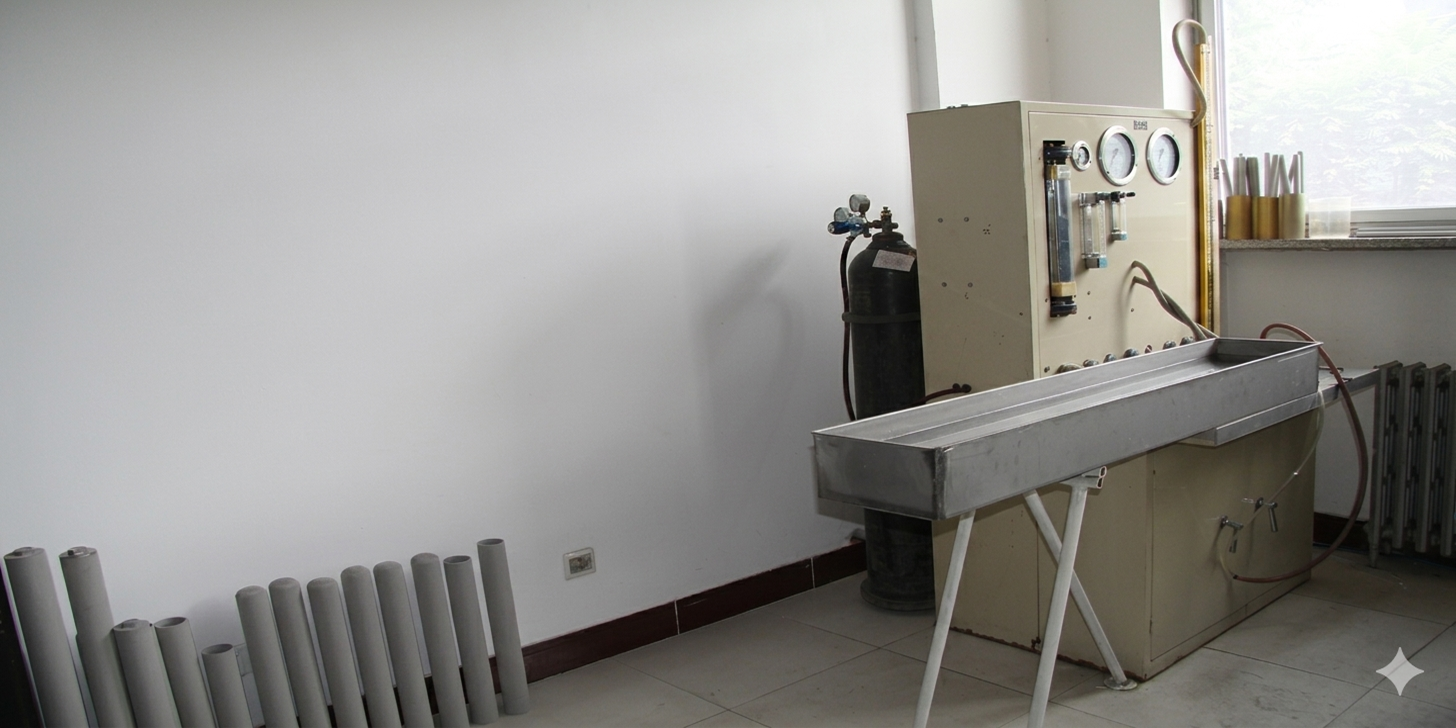
Test Principle & Medium
Our testing method is based on capillary pressure principles. For high-precision sintered products, CMI commonly utilizes Ethanol (Ethyl Alcohol) as the standard immersion medium.
- Why Ethanol? Ethanol has lower and more consistent surface tension than water, allowing it to fully penetrate fine pores down to sub-micron range without excessive test pressure.
- This improves measurement sensitivity, repeatability, and accuracy for precision porous media.
Standard Procedures
1. Full Saturation
The filter element is completely submerged in a bath of ethanol. The entire three-dimensional porous matrix must be fully saturated so that internal air is displaced by liquid.
2. Controlled Pressurization
The element is connected to a regulated clean dry air source. Pressure is increased gradually at a controlled rate from the inside of the element.
3. First Bubble Identification
As pressure rises, technicians observe the external surface of the wetted element. The exact pressure at which a continuous stream of bubbles first appears is recorded as the Initial Bubble Point.
4. Maximum Pore Size Verification
The measured pressure can be correlated to maximum pore diameter through capillary equations. Higher bubble point pressure indicates finer effective pore size.
Where P = pressure, γ = surface tension of the test liquid, and D = maximum pore diameter.
Why CMI Validation Matters
- 100% Structural Check: Beyond pore size verification, the bubble point test can reveal leakage in weld seams, end caps, or sealing interfaces.
- Consistency Assurance: Test data helps verify that each production batch meets internal pore structure and micron rating standards before shipment.
- Traceable Documentation: For critical orders, CMI can provide Bubble Point Test Reports showing actual measured values for supplied filter elements.
- Non-Destructive Testing: The filter element remains usable after testing when procedures are properly controlled.
Typical Applications
- Pharmaceutical filtration
- Semiconductor ultrapure systems
- Titanium filter cartridges
- Sintered stainless steel elements
- High-purity gas filtration
- Mission-critical OEM validation programs
CMI Quality Commitment
At CMI, filtration performance is verified by data, not assumption. Bubble point testing is part of our quality validation approach to ensure customers receive filter elements with reliable pore control, structural integrity, and repeatable process performance.
Relevant Cases
Get a Quote
Our fabrication experts are ready to help you with custom-made filter housing and fabricated metal filter vessel solutions. Contact us with your specific requirements for a customized quote.
Products Overview
Explore our comprehensive range of industrial filtration products
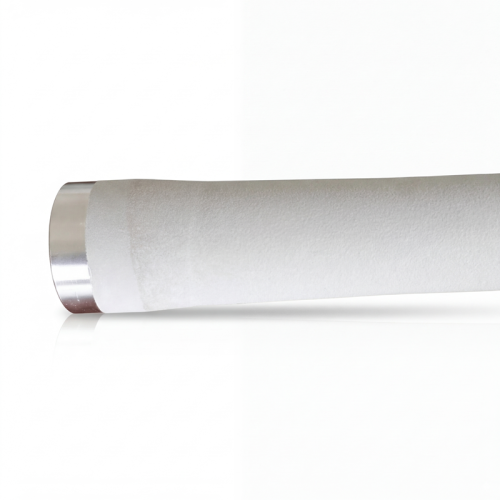
Asymmetric Sintered Metal Membrane Filter
High-Precision Surface Filtration with High Flux and Low Pressure Drop…
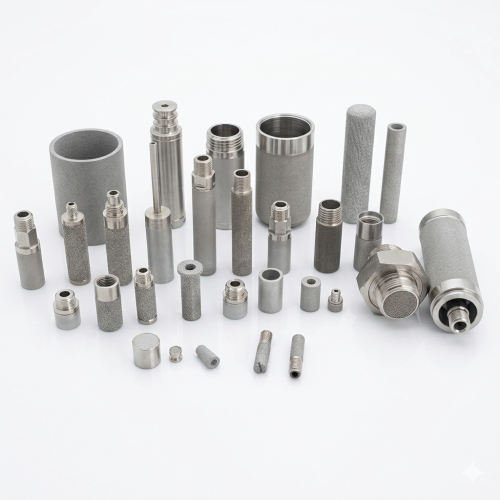
Porous Metal Components
Porous Metal Components Precision Sintered Metal Parts for Filtration, Flow…
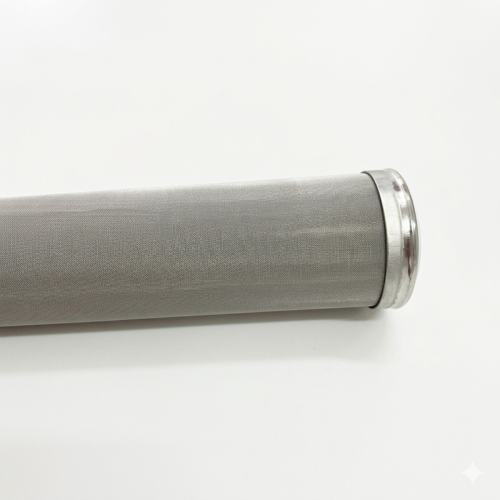
Sintered Metal Mesh Filter
High-Strength Multi-Layer Filtration for Demanding Industrial Conditions CMI sintered metal…
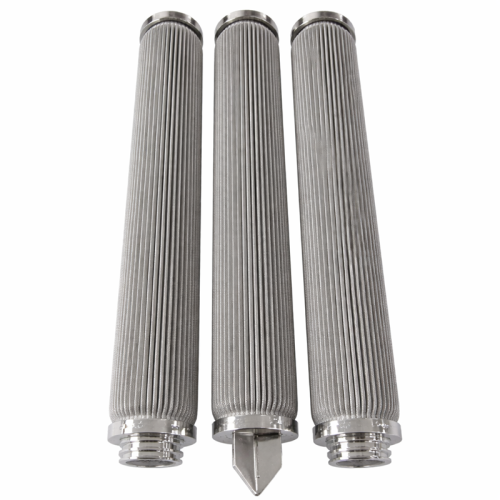
Sintered Metal Pleated Filter
High Surface Area Filtration for High Flow and Compact System…