This incoming inspection confirms that stainless steel, titanium, and specialty alloys entering our facility match the required material grade specifications before production begins.
Why PMI is Crucial at the Incoming Stage
Even high-quality finished manufacturing cannot compensate for incorrect raw material chemistry. If the wrong alloy enters production, corrosion resistance, weldability, mechanical properties, and final service life may all be compromised.
PMI testing allows CMI to verify material authenticity before fabrication, reducing risk at the earliest stage of the supply chain.
- Confirms correct alloy grade before use
- Prevents material mix-up in warehouse or production flow
- Supports corrosion-critical applications
- Creates traceable incoming inspection records
Our Technology: Handheld X-Ray Fluorescence (XRF)
CMI utilizes advanced handheld X-ray Fluorescence (XRF) analyzers for rapid, non-destructive alloy verification. These instruments identify chemical composition without cutting, damaging, or altering the tested material.
Results are available within seconds, allowing efficient quality control directly at the warehouse receiving dock or production floor.
Step-by-Step Validation Process
1. Preparation
The material surface is cleaned to remove oil, dirt, or oxidation that could affect the reading.
2. Analysis
A quality technician places the handheld analyzer firmly against the material surface. A controlled X-ray pulse is emitted, and the device reads the returning fluorescence spectrum.
3. Grade Verification
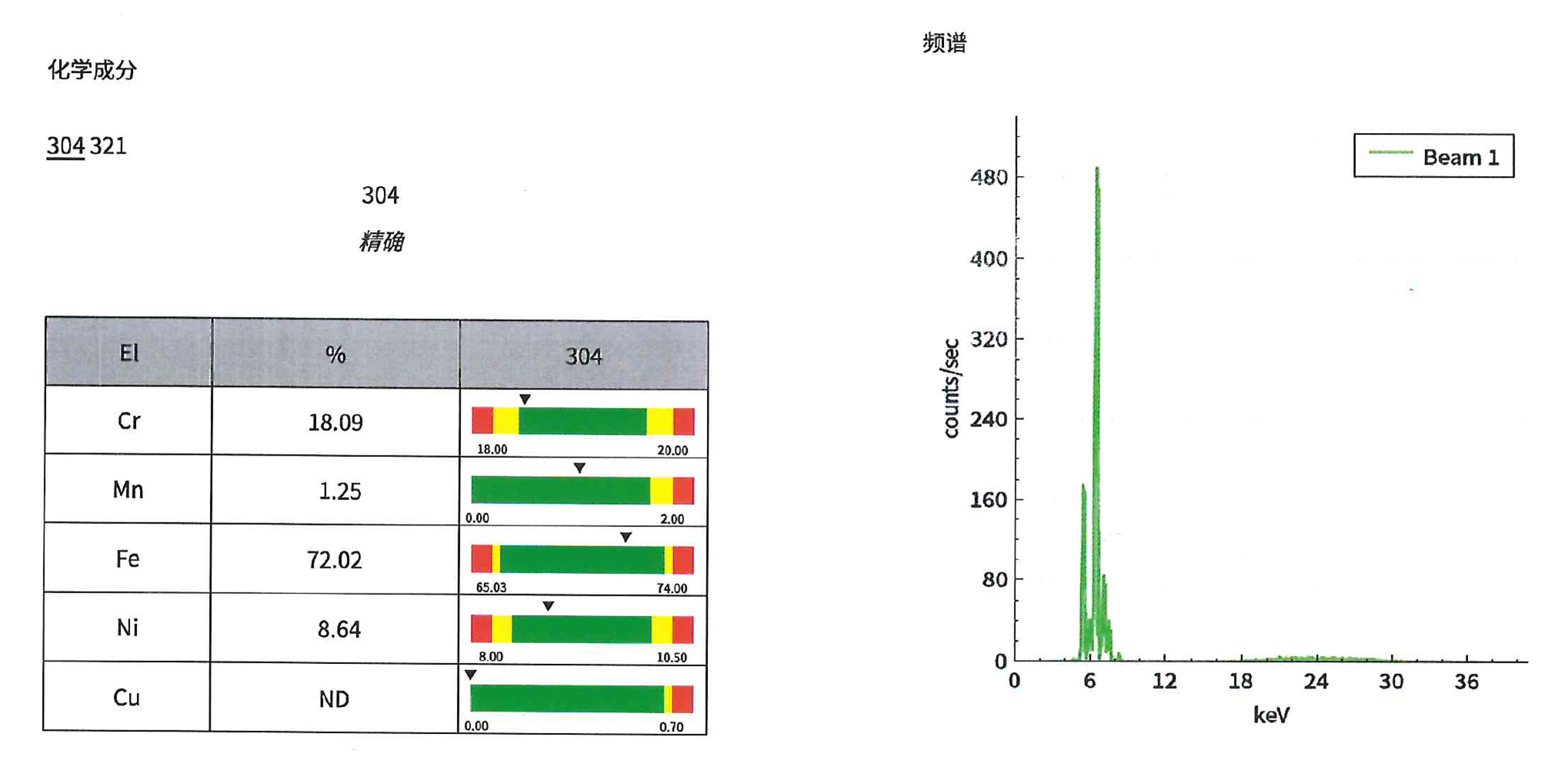
The measured chemistry is automatically compared with stored alloy libraries to determine the closest matching grade, such as 316L stainless steel or titanium grade specifications.
4. Instant Reporting
Element percentages and alloy identification results are immediately displayed for review and recording.
Inside the Test Results: Proving Compliance
The strength of PMI testing lies in its quantitative chemical data. Rather than relying on supplier labels alone, CMI verifies actual elemental composition against applicable standards.
- Chromium (Cr): Supports corrosion resistance in stainless alloys.
- Nickel (Ni): Important for corrosion performance and metallurgical stability.
- Molybdenum (Mo): Critical for pitting resistance in chloride environments.
- Manganese (Mn): Controlled within specified structural ranges.
- Trace Elements: Helps monitor unwanted impurities such as sulfur or phosphorus.
CMI Commitment to Material Integrity
PMI testing is a key part of the CMI quality assurance system. By verifying every incoming batch of metal before production, we help ensure that final filter products are built from compliant and authentic materials from the very beginning.
When customers choose CMI, they receive products backed by controlled raw material verification, documented quality processes, and dependable long-term material performance.
Relevant Cases
Get a Quote
Our fabrication experts are ready to help you with custom-made filter housing and fabricated metal filter vessel solutions. Contact us with your specific requirements for a customized quote.
Products Overview
Explore our comprehensive range of industrial filtration products
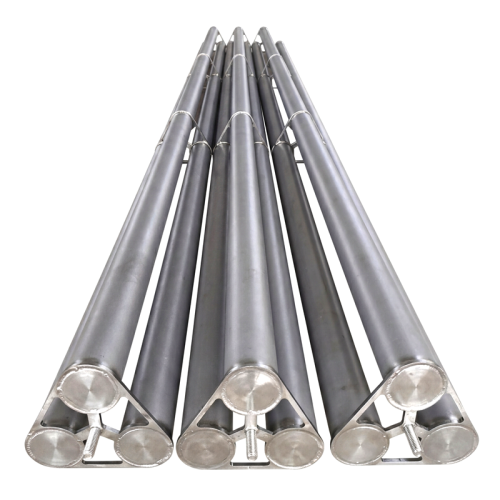
Multi-Tube Sintered Metal Filter Assembly
High-Flow Sintered Filter Module for High-Temperature Industrial Filtration CMI multi-tube…
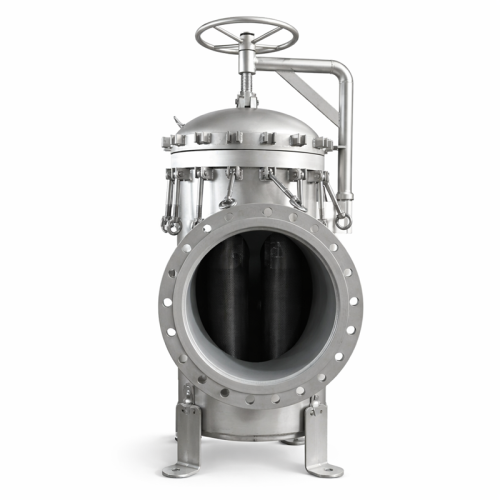
Industrial Basket Filter
Product Overview CMI Industrial Basket Filter Housings are heavy-duty filtration…
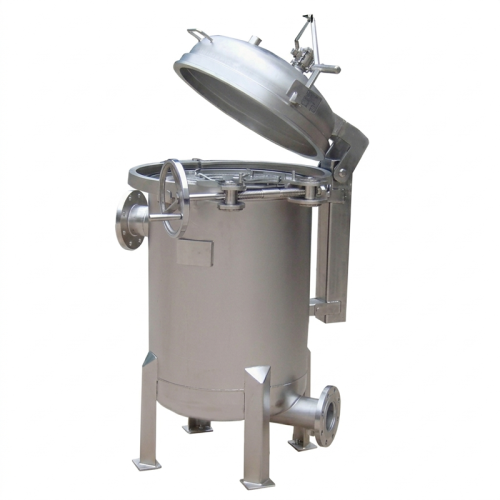
Quick Opening Multi-Bag Filter
Product Overview The CMI Quick-Opening Multi-Bag Filter Housing is engineered…
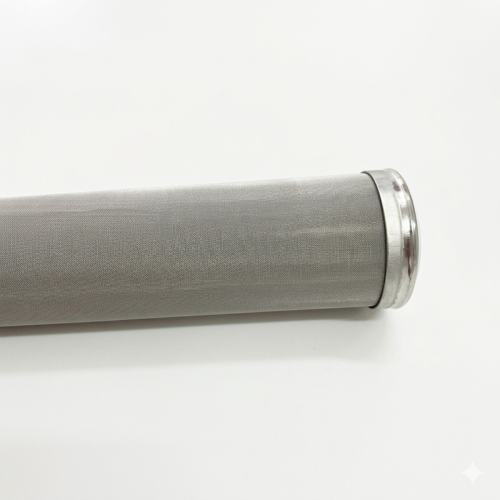
Sintered Metal Mesh Filter
High-Strength Multi-Layer Filtration for Demanding Industrial Conditions CMI sintered metal…